"The end justifies the means" - Machiavelli The Prince
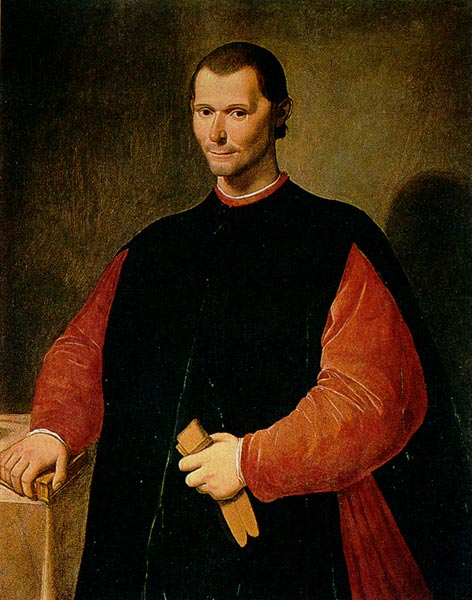
 This quote by the famous Italian, Renaissance politician and author Machiavelli wmeans that as long as your efforts have the desired outcome, you can ignore the corrupt or treacherous ways you reached your goal. The end result determines the morality of one's actions. For example if you lied and cheated your way to power, it would be acceptable because you reached your ideal result. Despite the fact you back-stabbed your friends, you rose to power. Another way to look at it would be in animal testing. No matter how many chimpanzees a company had to mutilate, in the end it came up with a safe antibiotic. Machiavelli's quote would justify all the pain and suffering of the animals because the result was a drug that helped humans. He is saying that morally wrong actions are sometimes necessary for the right outcome. Machiavelli lived in a time of tumultous Italian politics. There was constant fighting for power among city-states and Pope. He wrote The Prince as a guide for rulers to gain and maintain power. While his book was very cynical and controversial, it was realistic. Unlike previous political scholars, such as Plato and Aristotle, Machiavelli did not write about ruling in the ideal society.
I disagree with Machiavelli's philosophy because it is immoral, selfish, and potentially harmful . Morally, how is it right to harm others, lie, and cheat for personal gain? The outcome of your actions cannot excuse your actions to begin with. Your actions are what they are, harmless or not, and the end result does not change that. If you bomb civilians to kill a terrorist, you still killed innocent civilians. The fact that you killed a terrorist does not excuse the death of other bystanders. While the motive should always be examined before judging someone based on their actions it should not exempt them from consequences. In certain cases such as a woman stealing bread for her children, the end does somewhat justify the means. Stealing to provide food for children is preferable to children dying from starvation. Yet once people start doing anything for a "good cause" it comes into question exactly what is the "good cause" and is it merely personal gain? To truly maintain a moral society, the end cannot justify the means. The means and the end must both be examined fairly.
I disagree with Machiavelli's philosophy because it is immoral, selfish, and potentially harmful . Morally, how is it right to harm others, lie, and cheat for personal gain? The outcome of your actions cannot excuse your actions to begin with. Your actions are what they are, harmless or not, and the end result does not change that. If you bomb civilians to kill a terrorist, you still killed innocent civilians. The fact that you killed a terrorist does not excuse the death of other bystanders. While the motive should always be examined before judging someone based on their actions it should not exempt them from consequences. In certain cases such as a woman stealing bread for her children, the end does somewhat justify the means. Stealing to provide food for children is preferable to children dying from starvation. Yet once people start doing anything for a "good cause" it comes into question exactly what is the "good cause" and is it merely personal gain? To truly maintain a moral society, the end cannot justify the means. The means and the end must both be examined fairly.

No comments:
Post a Comment